What Actually Happens on the Day a New Septic System Goes In
An install day is more excavation and grading than most homeowners picture, and knowing the sequence makes it a lot less nerve-wracking.
August 25, 2026 · 3 min read
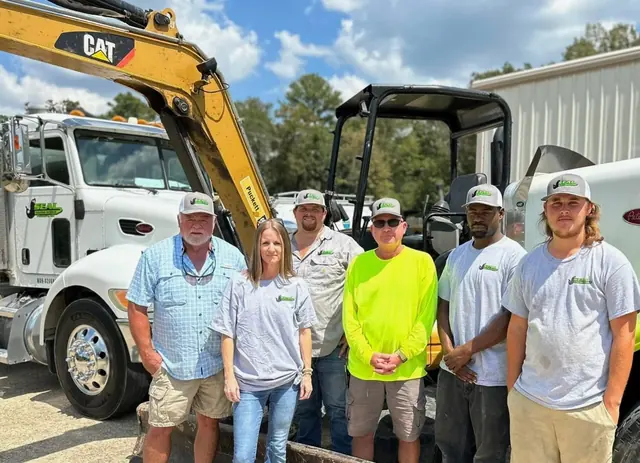
Most homeowners only go through a septic or treatment plant installation once, maybe twice, in the time they own a property, so it's understandable that install day feels like an unknown. In practice it's a well-worn sequence for a crew that's done it many times, and knowing roughly what's coming makes it easier to plan around, especially if it's a new build or a full replacement rather than a small repair.
Before anyone digs
The site gets laid out first, marking exactly where the tank, the lines and the field or spray heads will sit relative to the house, the driveway, and anything already buried nearby. Seal Digging Service has been doing this kind of layout and install work out of Florence since 1968, and the crew that shows up on install day usually includes the same people who'll be back years later for service, which means the property's history is already known rather than starting from a blank page.
Setting the tank
A tracked excavator opens the hole to the depth the tank needs, and the tank itself, whether it's a standard septic tank or the tank component of a treatment plant, gets set level on a prepared base. This part of the day is loud and looks dramatic from the house, a large excavation with heavy equipment working close to it, but it's also the most routine part of the process for a crew doing it regularly.
Building the drainfield or spray field
Once the tank is set and connected, attention shifts to the field. For a standard system that means trenching and laying the distribution lines that let treated water soak into the soil. For an aerobic treatment plant it usually means running lines out to the spray heads that will disperse water across the yard once the system is live. Either way, this is the part of the job that determines how the yard drains for years afterward, so getting the layout and grading right matters more than it might look like from the surface.
Backfill and grading
With everything connected and tested, the excavation gets backfilled and the ground graded back toward its original shape, sometimes with fill dirt brought in to restore a yard that took a lot of disturbance during the dig. This is usually the point where the job stops looking like a construction site and starts looking like a yard again, even though there's a full system sitting underneath it.
How long a typical install takes
The excavation, tank setting and field work usually happen inside a single working day once the site is prepped, though the exact timeline depends on soil conditions, whether it's a straightforward septic tank or a more involved treatment plant, and how much grading the yard needs afterward. Weather plays a bigger role than most people expect too, a wet week can push a dig back, since working heavy equipment through saturated ground does the yard no favors and makes it harder to get a clean, level result.
What homeowners can do to make the day easier
Clearing the work area of vehicles, outdoor furniture and anything else that could be in the way of an excavator gives the crew room to move efficiently. Keeping kids and pets away from the open excavation is worth mentioning even though it sounds obvious, a fresh dig is deeper and less stable than it looks from a distance. Beyond that, the most useful thing a homeowner can do is ask questions before the day starts, where exactly the tank and field will sit relative to the house, driveway and any existing landscaping, so there are no surprises once the equipment shows up.
What the yard looks like when it's done
A finished install, done right, doesn't look like much at all. A few green riser lids sit flush at grade, giving access to the tank without anyone needing to dig again for routine service, and everything else disappears back under grass. That's really the goal, a system that works quietly underground and only asks for attention on the schedule it's supposed to. Seal Digging Service has a team that includes people who've been doing this work for decades, Charlie alone has been with the company since 1998, and a finished job that looks unremarkable from the driveway is usually the sign of one that was done properly below it.
Seal Digging Service, (601) 845-0484
Call (601) 845-0484More articles
Signs Your Septic Tank Needs Pumping Before It Backs Up
The warning signs usually show up weeks before the backup does, if you know where to look.
Why Tree Roots Find Septic Tanks, and What It Looks Like When They Have
Roots aren't attacking a tank on purpose. They're chasing water, and a septic system is full of it.