Metal Septic Tank vs Modern Treatment System: What Florence Homeowners Should Know
A metal tank buried in the 1970s or 1980s may look fine from the lid. What is happening inside is a different story.
August 20, 2026 · 4 min read
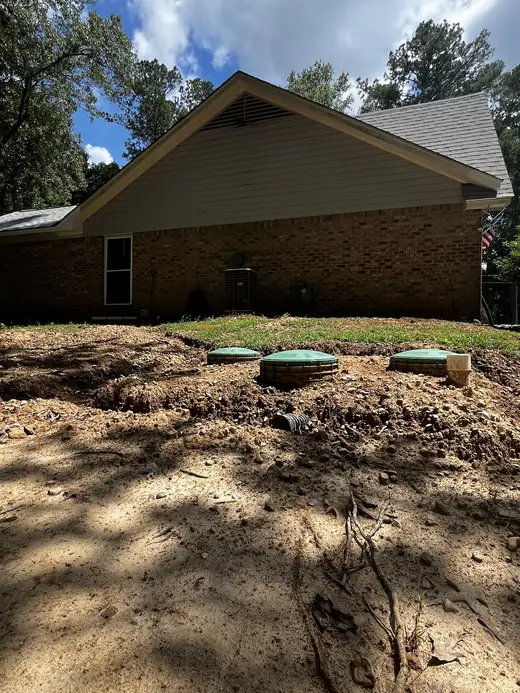
Homes built in the Florence area before the late 1980s often have original metal septic tanks still in service. Some of them have held up reasonably well. Many have not, even when the homeowner has no idea there is a problem. Metal tanks corrode from the inside out, which means the failure mode is invisible until something forces an excavation.
Why Metal Tanks Were Used in the First Place
Steel and concrete were the two standard materials for septic tanks through most of the twentieth century. Concrete tanks were poured on site or delivered precast. Metal tanks were lighter, faster to install, and widely available through the 1970s and early 1980s. They did the job adequately for their intended lifespan, which was generally estimated at twenty to thirty years depending on soil conditions and the chemistry of the waste they processed.
What Corrosion Actually Does to a Metal Tank
The interior of a septic tank is a corrosive environment. Hydrogen sulfide gas produced by anaerobic bacteria attacks steel over time. The process is accelerated by the temperature swings the tank experiences through Mississippi summers and winters, and by the acidity of household waste. Corrosion typically starts at the waterline and at the seams before it reaches the walls and floor. A tank that is structurally compromised from the inside can still look intact from the lid, until the lid itself or a sidewall fails under the weight of soil above it.
The Signs That Suggest Your Metal Tank Is Failing
- The tank lid or access cover has visible rust or has started to depress when weight is applied above it
- You are having pump-outs more frequently than your household size and usage would predict
- The drain field is staying wet despite recent pumping
- A probe or inspection found soft spots in the tank walls or evidence of collapse at a seam
- The tank is more than thirty years old and has never been inspected by camera or probe
None of these individually confirm a failed tank, but any of them is reason enough to have a technician take a look before the next pump-out.
What Modern Treatment Systems Do Differently
Aerobic treatment units, which are what most residential wastewater treatment systems in Mississippi use today, process waste differently than a conventional septic tank. A conventional tank relies on anaerobic bacteria and gravity to separate solids and allow clarified liquid to flow to a drain field. An aerobic unit adds oxygen to the process, which supports a more active bacterial population and produces a cleaner effluent before it reaches the dispersal system. That cleaner effluent is gentler on the drain field and disperses through spray heads rather than perforated pipe buried in a leach field.
The Spray Head System and Why It Needs Maintenance
Aerobic systems disperse treated effluent through spray heads positioned around the yard. These heads are exposed to the elements, subject to lawn mower damage, and can clog with mineral deposits or biological growth over time. A system that is running an alarm or showing low flow often has blocked spray heads rather than a failing treatment unit. The sprinkler component of a modern system requires periodic inspection and occasional head replacement, which is a routine service call rather than a system failure.
What Happened When a Lid Fell In
One Seal Digging customer describes it clearly in her Google review. A tree limb fell during a thunderstorm and destroyed the lid on a forty-year-old metal tank at her home. The damage triggered a replacement, and the cost was significant. What made the difference was that a Seal Digging employee suggested she check her homeowner's insurance policy before paying out of pocket. The insurer covered the installation and the landscaping. The outcome depended on that piece of advice being offered before the customer signed off on paying herself.
Does Homeowner's Insurance Apply to Septic Replacement?
Coverage for septic system damage varies by policy and by the cause of the damage. Sudden and accidental damage, like impact from a falling object, is more likely to be covered than gradual deterioration. The Mississippi Insurance Department can explain what regulators require policies to cover. Your own insurer is the only source of ground truth for your specific policy. The June Wilson review illustrates that asking the question is worth your time.
Seal Digging Service, Florence, Mississippi
Seal Digging Service has replaced old metal tanks and installed modern wastewater treatment systems throughout the Florence area for over six years. If your metal tank is approaching or past thirty years old, or if you have had any of the signs above, a free consultation is available at (601) 845-0484.
Seal Digging Service · (601) 845-0484
Call (601) 845-0484More articles
Signs Your Septic Tank Needs Pumping Before It Becomes an Emergency
Your system will tell you it's full before it overflows, if you know what to look for.
Why Your Sprinkler Heads Keep Clogging and What You Can Do About It
A clogged spray head is not just annoying, it means your treatment plant is not dispersing effluent the way it was designed to.