How a Full Septic System Inspection Works (and When You Need One)
A pump-out and an inspection are not the same thing, and confusing them is how problems stay hidden for years.
August 20, 2026 · 4 min read
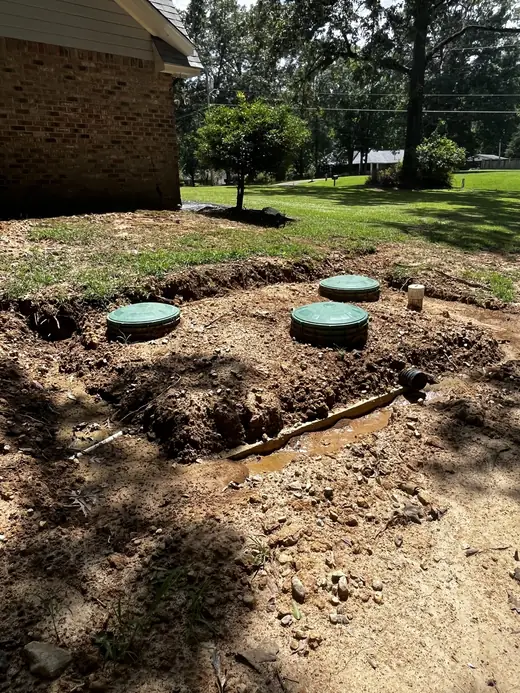
Most homeowners schedule a septic service call when something goes wrong. A slow drain, a smell, an alarm. A full septic system inspection, distinct from a routine pump-out, takes a wider look at the entire system and is typically requested in three situations: before buying or selling a home, after a system alarm or known issue, and as a periodic maintenance check for systems that have not been looked at in several years.
The Difference Between a Pump-Out and an Inspection
A pump-out empties the tank. A technician opens the tank, removes accumulated solids and liquid, and closes it back up. That is the whole job. The tank is now empty. What it does not tell you is whether the tank walls are corroding, whether the baffles are still in place, whether the outlet is clear, whether the drain field is percolating normally, or whether the spray heads on an aerobic system are delivering effluent at the right pressure and in the right locations. A pump-out is maintenance. An inspection is diagnostic. Both matter, but they answer different questions.
What a Full Inspection of a Conventional Septic Tank Covers
- Tank access and lid condition, including checking for cracking, corrosion, or settling
- Inlet and outlet baffle condition, since a missing or failed baffle allows solids to reach the drain field
- Scum layer and sludge layer measurements, which determine how soon a pump-out is needed
- Visual inspection of tank walls and seams for signs of structural compromise
- Distribution box inspection where present, confirming equal flow to all drain field lines
- Drain field condition assessment, including surface observation for ponding, unusual green growth, or soil saturation above the line pattern
- Riser and access port condition for any risers that bring lid access to grade
What a Full Inspection of an Aerobic Treatment System Covers
Aerobic systems have additional components that a conventional septic inspection does not address. The treatment unit itself, including the aeration motor and diffuser assembly, is checked for proper function. The clarifier chamber is inspected for sludge accumulation. The spray head zone is evaluated by running each zone and observing flow rate, spray pattern, and whether any heads are blocked, broken, or displaced. The pump and control panel are checked and the alarm system is tested. Tom Oliver's review describes exactly this kind of service: the technician inspected and cleared the lines, replaced a spray head, and cleaned out the tanks, which is a full system pass rather than a single-component fix.
What Documentation a Good Inspection Produces
A complete inspection should produce a written report that identifies the system type, the last pump-out date if known, the condition of each component inspected, any deficiencies noted, and a recommended maintenance schedule going forward. If you are buying a home, this document becomes part of your due diligence record. If the system is on a maintenance contract, it establishes a baseline the next technician can compare against. A verbal summary is better than nothing, but a written report is the standard for any inspection that might be referenced later.
When to Schedule a Full Inspection Rather Than Just a Pump-Out
Schedule a full inspection, not just a pump-out, in these situations: the system is more than three years old with no documented inspection on record; you are purchasing a home with a septic system; the system is running an alarm; you have noticed any combination of slow drains, odors, and wet ground; a recent pump-out resolved the immediate symptoms but they returned within a few months; or the home has a metal tank and no one has looked at its structural condition in the last several years. A pump-out on a tank with failing walls just removes the contents of a failing tank. The inspection is what finds the wall problem.
How Long an Inspection Takes
A straightforward inspection of a conventional system at a standard residential property typically takes between one and two hours for a thorough technician. Aerobic systems take longer because of the additional components. A system with multiple tanks, as some larger residential installations have, takes longer still. If a pump-out is done at the same time as the inspection, the inspection portion can often be done while the tank is empty and accessible, which gives the technician a clear view of conditions they could not see with the tank full.
Seal Digging Service, Florence, Mississippi
Seal Digging Service has provided septic pump-outs, full system inspections, and treatment plant service across the Florence area for over six years. If your system has not been inspected recently, or if you are seeing any warning signs, a free consultation is available. Call (601) 845-0484.
Seal Digging Service · (601) 845-0484
Call (601) 845-0484More articles
Signs Your Septic Tank Needs Pumping Before It Becomes an Emergency
Your system will tell you it's full before it overflows, if you know what to look for.
Metal Septic Tank vs Modern Treatment System: What Florence Homeowners Should Know
A metal tank buried in the 1970s or 1980s may look fine from the lid. What is happening inside is a different story.